The Grace of Imperfection: Moving Beyond the Pressure to be "Right"
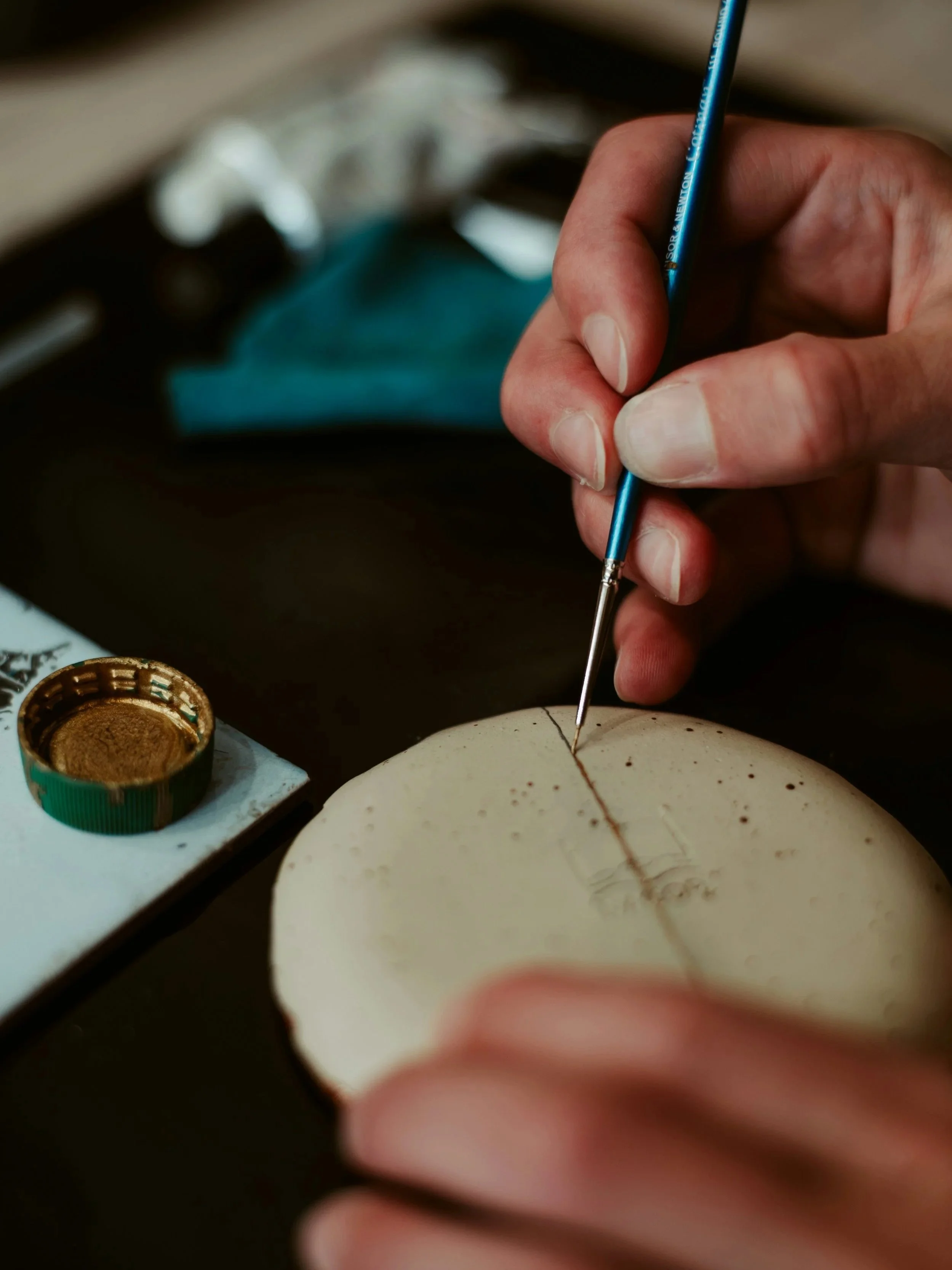
The Japanese term for repairing broken pottery with gold, silver, or platinum lacquer is Kintsugi (金継ぎ), which translates to "golden joinery". This art form highlights rather than hides damages, treating breakage as part of the object’s history, embodying the philosophy of finding beauty in imperfections
Your scars are not flaws, they are your proof.
There are certain domains in life in which imperfection or at least space to adjust is allowed. One of these is parenthood. When a family first brings a baby home, they have to constantly try to figure out what that baby needs. Does their cry mean they need a change, a bottle, or a nap? Once parents start to get the hang of it, the routine changes, they have to adjust and figure it out again.
Yet, making a mistake is often demonized in other areas of adulthood. We’re supposed to know exactly what to do and get it “right” the first time. But where does this expectation and pressure come from? It’s different for everyone, but for me I believe it began with school. Making a mistake in school usually resulted in a lower grade, and lower grades meant you didn’t understand or were “stupid”. That is what my inner voice was telling me.
I had so much anxiety and stress around getting it “right” that it made me feel physically ill at times. It really wasn’t until I was out of college and interacted with supportive individuals where I started to give myself permission to make mistakes. I was able to see these individuals model what it is like to make mistakes and not berate themselves for it.
As I continued to reflect on mistakes and how they made me me feel, I started to explore why it feels like such a character flaw. For some it may stem from our families or perhaps teachers. My parents never said mistakes were bad.
But the thing is, it doesn’t have to be said explicitly to be communicated.
It can come from watching how a parent speaks to themselves about mistakes or even from the nonverbal cues given. For example a parent saying to themselves (in front of you) “ugh, how could I be so stupid?” Or receiving the “cold shoulder” from a parent after receiving a bad grade. These instances communicate to children that mistakes are bad and make us bad.
Unfortunately we often carry this belief into our adult lives, typically on a subconscious level. So how do we change it? First, as always, we have to notice when that inner voice is speaking up after a mistake or imperfection.
Then, we must become curious about what it is saying. If we can identify the belief or thoughts our inner voice is telling us (check out the Perfection Ceiling Archetypes), we can try to explore where that comes from.
Finally, challenge those thoughts and beliefs. For example, if your inner voice is telling you that you’re stupid for not knowing how to do a task, you might challenge that thought with “this is the first time I’ve ever had to do this task, it’s okay if I don’t know how to do it yet”.
At first it might not feel genuine or believable to ourselves, but the more we show ourselves compassion the more it will resonate with us.
For the next month, practice allowing yourself to be imperfect in one small way and notice how it feels for you.
-Nicole